

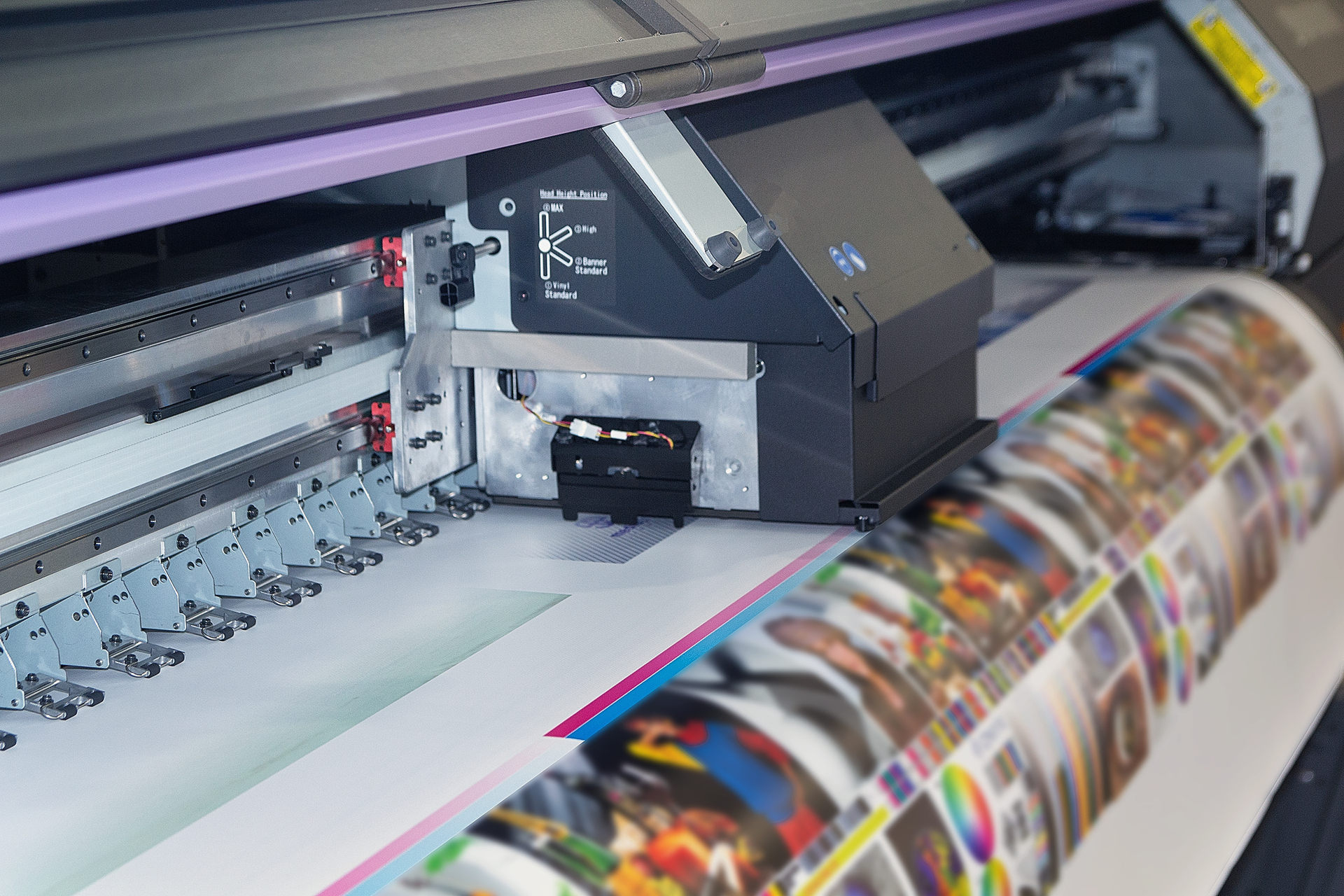
Your product could be excellent, but if the label looks wrong, feels wrong, or peels off in the first week, customers notice. Labels do more than display information. They carry your brand, protect your packaging, and tell a story about the quality of what is inside. Getting them right matters more than most people realize until something goes wrong. If you are a small business owner, a packaging designer, or a product manufacturer trying to figure out label printing without wasting money on the wrong choices, this blog is for you.
The Most Common Label Printing Materials and When to Use Each One
The material you print on determines how your label looks, feels, and performs. There is no single best option. The right material depends on your product, your environment, and your brand.
Paper Labels
Paper is the most common and most affordable label material. It works well for dry products stored indoors, like food packaging, retail goods, candles, and cosmetics.
Paper labels accept ink beautifully and give you rich color and crisp text. They feel familiar and natural, which works well for brands that want an artisan or handcrafted look.
The limitation is durability. Paper labels do not handle moisture, heat, or rough handling well. If your product sits in a bathroom, a refrigerator, or an outdoor environment, paper is probably not the right choice.
Polypropylene (BOPP) Labels
Biaxially oriented polypropylene, usually called BOPP, is a plastic film material that resists moisture, tearing, and smudging. It is one of the most popular choices for custom product labels in food, beverage, health, and beauty categories.
BOPP labels hold up in refrigerated environments, survive light splashing, and maintain their appearance over time. They also accept high-quality printing, which means your colors stay sharp and your finish options are broad.
If you need durability without sacrificing print quality, BOPP is a strong starting point.
Polyester (PET) Labels
Polyester labels offer the highest durability of the common label materials. They resist chemicals, extreme temperatures, UV exposure, and heavy moisture. Industries like automotive, industrial products, electronics, and outdoor equipment rely on polyester labels for this reason.
Polyester costs more than paper or BOPP, but for products that face harsh conditions, the investment makes sense. A label that survives the product’s whole lifespan is worth paying a little more for.
Vinyl Labels
Vinyl is flexible and tough. It conforms to curved or uneven surfaces without cracking or lifting at the edges. It handles outdoor conditions well and resists UV fading.
Vinyl works well for outdoor products, promotional labels, durable goods, and anything with an irregular surface shape. It is also a popular choice for waterproof product labels because it stands up to prolonged moisture exposure.
How Packaging Label Finishes Affect the Look and Durability of Your Label
Once you choose your material, you choose your finish. The finish affects how your label looks, how it feels in someone’s hand, and how well it protects the printed surface underneath.
Gloss Finish
A gloss finish gives labels a shiny, reflective surface. Colors look more vivid and saturated. Text appears sharp and clean.
Gloss works well for products where visual impact is the priority, like beverages, cosmetics, and consumer packaged goods that sit on retail shelves. It also adds a layer of protection against scuffs and light moisture.
The downside is that gloss can show fingerprints and smudges more easily than other finishes. For products that people handle frequently, keep that in mind.
Matte Finish
A matte finish absorbs light rather than reflecting it. The result is a softer, more understated look. Colors appear slightly more muted, and the overall feel is refined and calm.
Matte labels work well for premium brands, natural products, wellness items, and anything that wants to communicate quality without loudness. They also hide fingerprints better than gloss.
Many packaging designers choose matte as their default finish for this reason. It tends to feel more intentional and considered.
Soft Touch Finish
A soft touch finish adds a velvety, tactile quality to the label surface. When someone picks up your product and the label feels noticeably different from everything else on the shelf, that is soft touch at work.
This finish is a premium option and costs more than standard gloss or matte. But for brands where the physical experience of handling the product matters, it creates a strong impression.
Foil and Specialty Finishes
Foil stamping, metallic inks, embossing, and spot UV coatings all add visual dimension and a premium feel. These finishes work best when used with intention, on key design elements like a logo, a border, or a product name.
Used well, specialty finishes make a label look like it belongs on a high-end product. Used carelessly, they can feel cluttered. Let your brand guide the decision.
Spencer Printing works with clients to match finish choices to brand positioning, so your label looks like a deliberate design decision rather than a default setting.
Label Printing and Adhesive Types: Why Choosing the Wrong One Is a Costly Mistake
Choosing the wrong adhesive is one of the most common and most avoidable label mistakes. The adhesive determines how well your label sticks, how long it stays stuck, and whether it leaves a residue when removed.
Permanent Adhesive
Permanent adhesive bonds strongly to most surfaces and stays put. It is the right choice for most product labels that never need to come off.
It works on glass, plastic, metal, and cardboard. It resists moisture and temperature changes reasonably well. For the majority of product labeling applications, permanent adhesive is the standard starting point.
Removable Adhesive
Removable adhesive allows the label to be peeled off cleanly without leaving sticky residue. This matters for retail products that carry pricing labels, for promotional stickers, or for products where the customer might want to remove the label after purchase.
Removable adhesive still holds well under normal conditions. It just releases cleanly when needed. If your product has any reason to need a clean removal option, this is worth specifying.
Freezer-Grade Adhesive
Standard adhesives fail in freezing temperatures. They lose their bond and labels start to peel. Freezer-grade adhesive is formulated to maintain its stick in cold storage environments.
If your product goes into a freezer or is stored in refrigerated conditions for extended periods, use freezer-grade adhesive. This is a non-negotiable for frozen food products, laboratory samples, and cold chain products.
High-Tack Adhesive
Some surfaces are difficult to stick to. Rough textures, slightly oily surfaces, recycled cardboard, and certain plastics all resist standard adhesives. High-tack adhesive applies with more aggressive bonding strength to grip these challenging surfaces.
If your labels are lifting at the edges shortly after application, high-tack adhesive is usually the solution.
Special Considerations for Waterproof and Outdoor Labels
The term waterproof gets used loosely in label printing. There is a difference between water-resistant and genuinely waterproof, and that difference matters depending on what your product faces.
A water-resistant label handles splashes and brief moisture exposure. A fully waterproof product label survives submersion, prolonged moisture, humidity, and condensation without lifting, fading, or falling apart.
To achieve true waterproofing, you need three things working together:
First, a waterproof base material like BOPP, polyester, or vinyl. Paper absorbs moisture and breaks down regardless of any coating applied over it.
Second, a waterproof ink or print process. UV-cured inks perform well in wet conditions. Standard inkjet or laser printing on water-resistant stock can still smear or fade when wet.
Third, a laminate or overcoat that seals the printed surface. This protects the ink from direct water contact and adds abrasion resistance at the same time.
If you sell bath products, outdoor goods, beverages, marine products, or anything else that regularly encounters moisture, invest in properly specified waterproof labels. It protects your brand every time someone handles your product in wet conditions.
Custom Product Labels: Getting the Spec Sheet Right Before You Print
Before you send anything to print, make sure you have answered these questions clearly:
What surface will the label stick to? Glass, plastic, metal, cardboard, and textured surfaces all behave differently with adhesives and materials.
What environment will the label live in? Indoor, outdoor, refrigerated, frozen, humid, or exposed to chemicals all require different material and adhesive choices.
How long does the label need to last? A label on a product with a six-month shelf life has different durability needs than a label on industrial equipment that stays in service for years.
Does the label need to be removed cleanly? If yes, permanent adhesive will cause problems.
What finish communicates your brand best? Gloss for visual pop, matte for understated quality, specialty finishes for premium positioning.
Getting clear answers to these questions before you order saves you from reprinting entire runs because of a preventable specification error.
Spencer Printing walks clients through exactly these questions before any job goes to press. Our team understands that label printing is not just a print job. It is a functional piece of your product that needs to perform.
We have built our reputation on helping product manufacturers, small business owners, and packaging designers get these details right. They do not just print labels. They help you think through the full specification so the finished product does exactly what it needs to do.