

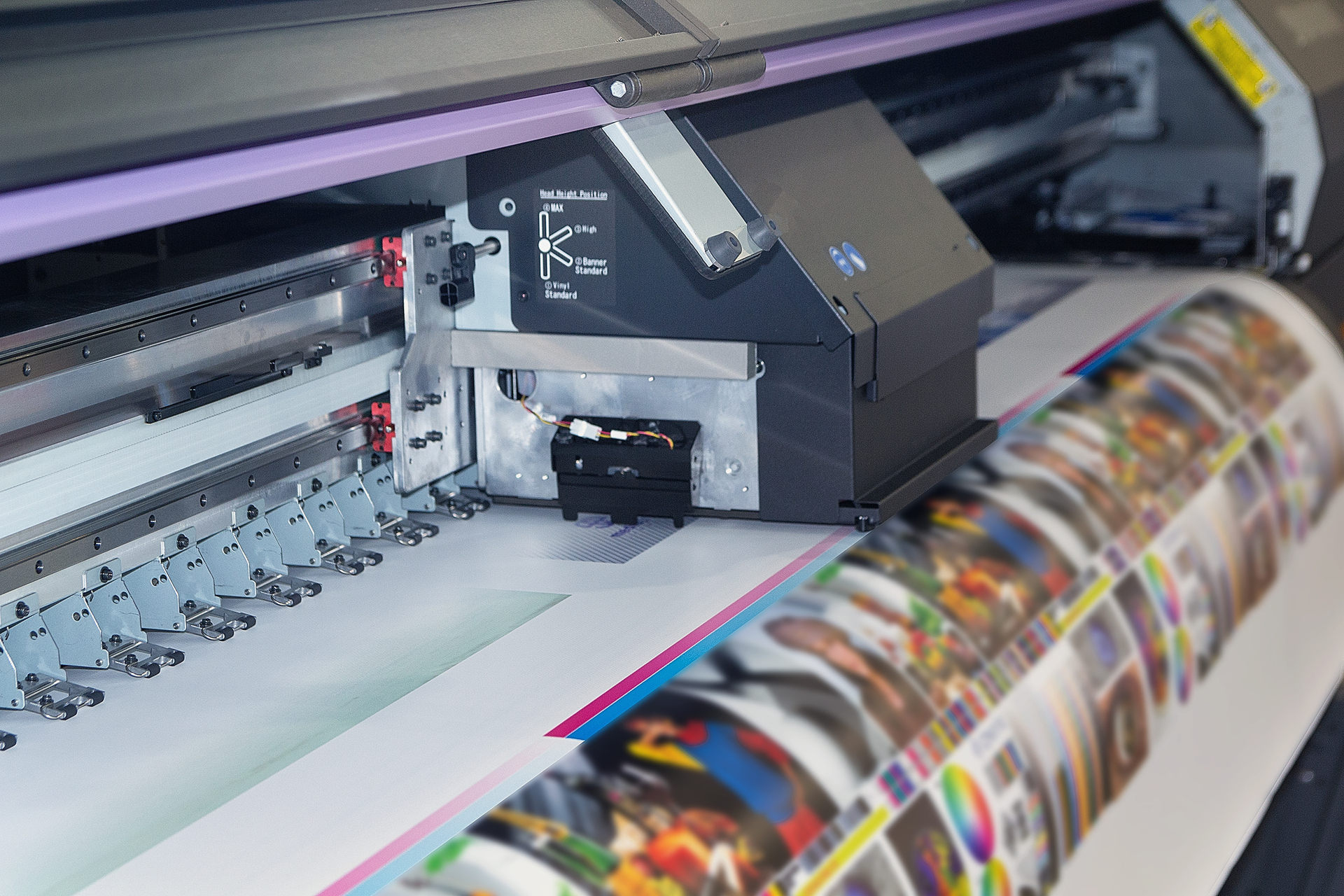
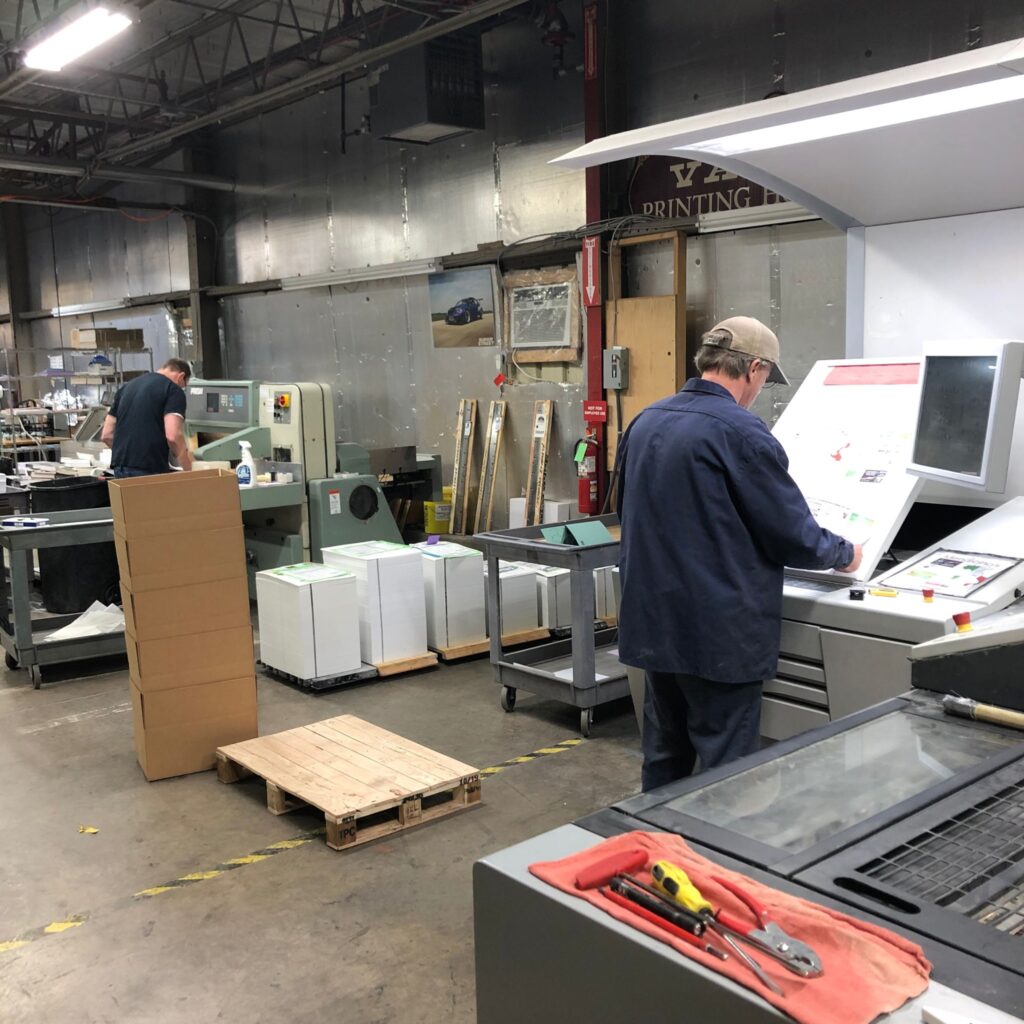
Every time something goes to print, it uses resources and eventually that printed piece gets thrown away or recycled. Eco-friendly printing is really just about being more mindful of those things and trying to reduce the impact where possible.
It doesn’t mean a business has to stop printing or switch everything to digital overnight. For most companies, it’s simply about making better choices over time and understanding what more sustainable printing actually looks like in day-to-day operations.
In this blog, we’ll cover:
- What eco-friendly printing really means
- The specific practices and materials that make a difference
- Why it matters for your business reputation
- How to get started
What Does Eco-Friendly Printing Actually Mean?
Sustainable printing isn’t just one thing. It’s a combination of practices, materials, and decisions that reduce the environmental impact of the printing process.
That includes:
- The type of paper used
- The inks chosen
- How much energy the printing process consumes
- How waste is managed
- What happens to the printed materials at the end of their life
A printer that calls itself eco-friendly should be able to speak clearly about all of these areas, not just one.
Green Printing Practices That Make a Real Difference
Recycled Paper Printing
Paper production has a significant environmental footprint. Choosing recycled paper printing reduces the demand for virgin wood pulp, which means fewer trees harvested and less energy spent on processing.
Look for paper with recognized certifications. FSC (Forest Stewardship Council) certification means the paper comes from responsibly managed forests. PCW (Post-Consumer Waste) content tells you how much of the paper came from recycled materials.
Soy-Based Inks
Traditional printing inks use petroleum-based solvents that release volatile organic compounds (VOCs) into the air. Soy based inks use soybean oil as a base instead.
They produce sharper, more vibrant colors. They’re easier to remove during paper recycling, which makes the paper more recyclable after use. And they have a significantly lower environmental impact during production.
Many commercial printers are switching to soy or vegetable-based inks as a standard practice.
Environmentally Friendly Printing Processes
Beyond materials, the process itself matters. This includes:
- Digital printing over offset for short runs: Digital printing produces less waste because there are no plates to set up and no excess ink used in setup.
- Print-on-demand: Printing only what you need reduces overstock and waste.
- Energy-efficient equipment: Modern printing equipment uses significantly less energy than older machines.
- Waste reduction and recycling programs: Good printers have systems to recycle paper scraps, clean up ink waste responsibly, and minimize what goes to landfill.
Why Eco-friendly Printing Matters for Your Business
Customer Expectations Are Changing
Your customers notice. More buyers, especially younger demographics, actively consider the environmental practices of businesses they work with. Sustainable print materials on your packaging, catalogues, or marketing collateral communicate that your business takes these issues seriously.
It Can Reduce Costs
Eco-friendly printing isn’t always more expensive. Print-on-demand reduces overstock. Efficient processes reduce waste. Recycled papers are often competitively priced with standard options.
Thinking sustainably often leads to thinking more efficiently, and that benefits your bottom line.
Regulatory and Procurement Requirements
If you work with government contracts or large corporate clients, you may already be required to demonstrate sustainable practices in your supply chain. Having a sustainable printing partner helps you meet those requirements.
It’s the Right Thing to Do
That matters too. Running a business that genuinely reduces its environmental impact is something to be proud of.
Sustainable Print Materials to Look For
When working with a printer, ask about:
- FSC or PEFC certified papers
- Recycled content paper with PCW rating
- Soy or vegetable-based inks
- Aqueous (water-based) coatings instead of UV coatings with higher VOC content
- Recyclable or compostable packaging for delivered orders
These aren’t obscure requests. Any printer serious about green printing practices should be able to answer these questions clearly.
How Spencer Printing Can Help
Spencer Printing has been serving businesses in Honesdale, Scranton, and across the nation for decades. We offer eco-friendly printing options including recycled paper and responsible production practices.
If you’re looking for a printing partner that can deliver quality results while supporting your sustainability goals, contact us today.
FAQs
Does eco-friendly printing cost more than standard printing?
Not always. Some sustainable options, like recycled paper or soy-based inks, are comparably priced with standard alternatives. Others may carry a small premium. However, practices like print-on-demand and reducing overprinting often lower your overall printing costs. The best approach is to discuss your needs with your printer and compare options honestly.
How can I verify that a printer’s eco-friendly claims are genuine?
Ask specific questions. What certifications does their paper carry? What type of inks do they use? How do they handle waste? Reputable printers can answer these questions clearly. Look for third-party certifications in industry sustainability programs. Vague claims without specifics are a sign to probe further.
Can eco-friendly printing deliver the same print quality as standard printing?
Yes. Soy-based inks actually produce sharper color reproduction than many petroleum-based alternatives. High-quality recycled papers print beautifully and are available in a wide range of weights and finishes. Sustainable printing has moved well past the point where it required quality trade-offs. Good printers produce excellent results with green materials.