

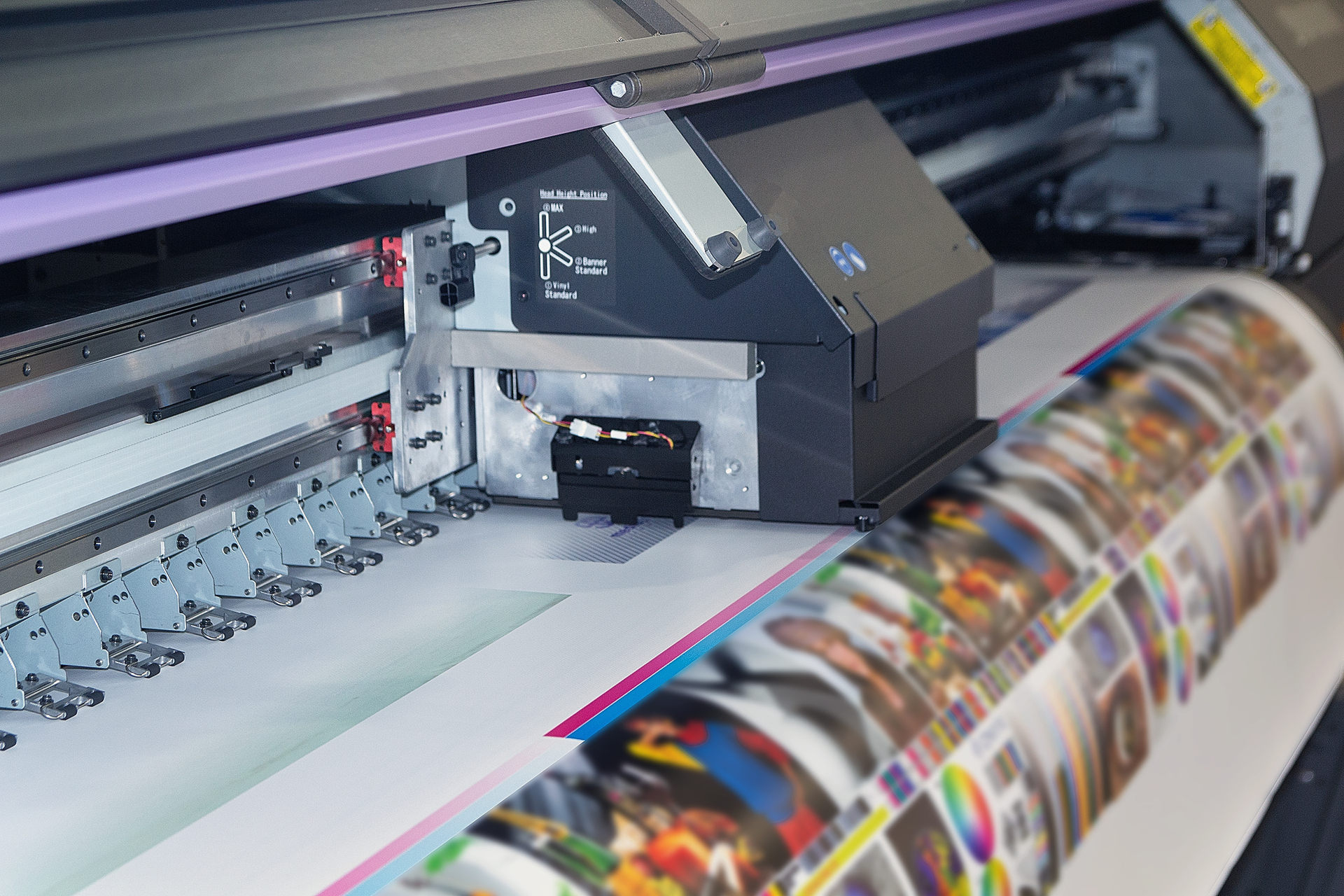
Authors and publishers across America still choose paperback book printing more than any other format. People predicted digital would take over years ago. That didn’t happen. Printed books keep selling strongly, and understanding the printing process helps you succeed.
Understanding the Paperback Printing Process
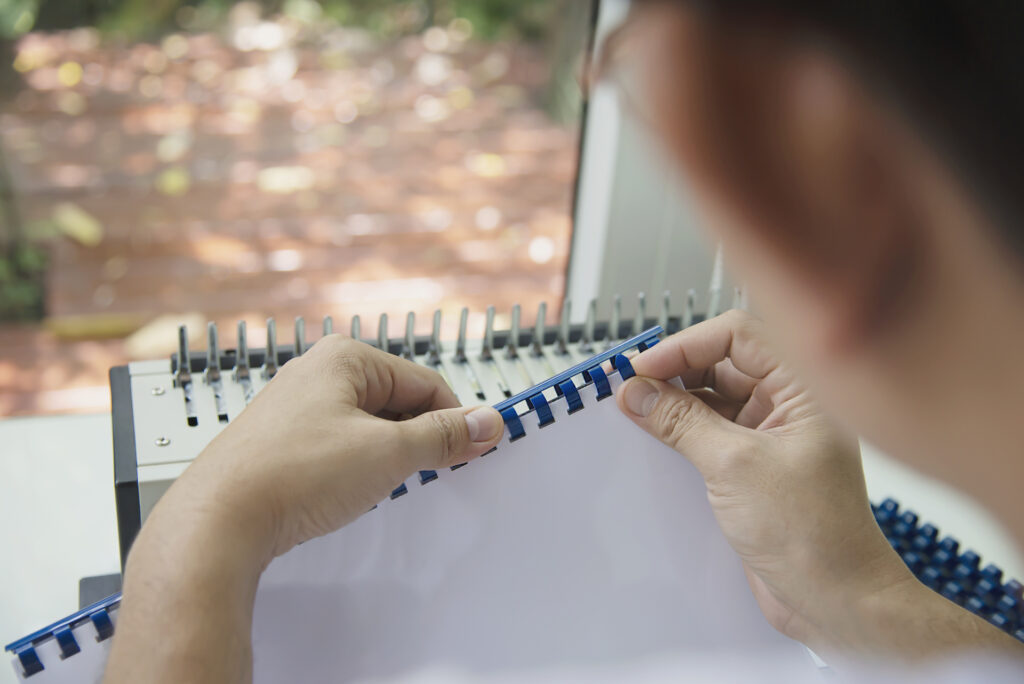
Paperback book printing uses a method called perfect binding. The printer glues all your pages together at the spine. Then they attach these pages to a soft, bendable cover. This creates a book that looks professional and lasts through many readings.
Paper choice affects your book more than you might expect. Heavier paper feels more substantial in readers’ hands. Lighter paper costs less but still works perfectly fine for most books.
Short Runs vs. Large Print Orders for Authors and Publishers
Short-run book printing works great for authors just starting. You print a smaller batch first to test how readers respond. If the book sells well, you order more copies. This approach protects you from spending too much money upfront.
Large print runs make financial sense when you know demand exists. The cost per book drops a lot when you print thousands at once. Publishers with strong distribution networks often choose this route for established authors.
Making Quality Decisions for Choosing the Right Printing Service
Book printing quality comes from getting multiple things right at the same time. File preparation sits at the top of the important list. Your images need proper resolution. Color profiles must match printing standards.
Experienced book printing teams help guide you through technical requirements. They review your files before production starts. They spot potential problems and suggest fixes. This saves you from expensive mistakes that would show up in finished books.
Working With Professional Paperback Book Printers
- Finding the right printing partner changes everything about your experience. Look for companies that specialize in book printing specifically. General commercial printers often miss the unique details that books require.
- Books need different handling than brochures or business cards. Specialized printers understand spine calculations, bleed requirements, and binding specifications. They’ve solved the common problems many times before.
- Good communication keeps your project moving smoothly. Professional printers send regular updates about production progress. This helps you coordinate marketing launches and distribution schedules.
Planning Your Paperback Project
Start planning your paperback book printing project sooner than it feels necessary. Production takes longer than most first-time authors expect. Specifications, quantity, and current demand all affect timeline length.
Always request physical sample packs before choosing a printer. Samples show you the actual paper quality and binding strength. Photos on websites can’t capture how books really feel in your hands. Touch the materials yourself before committing.
Conclusion
Paperback book printing blends old-school craftsmanship with new technology. Printers use computer systems to ensure consistency while maintaining the quality readers love about physical books.
Your manuscript deserves the best possible physical form. Taking time to understand paperback book printing helps you create books that readers will treasure. Professional printing turns your words into something readers can hold, share, and keep forever.