

Picking the right printing method doesn’t have to be complicated. Digital and offset printing are the two main choices available today. Each one works differently and suits specific types of projects. Learning about both helps make better printing decisions.
What is Digital Printing?
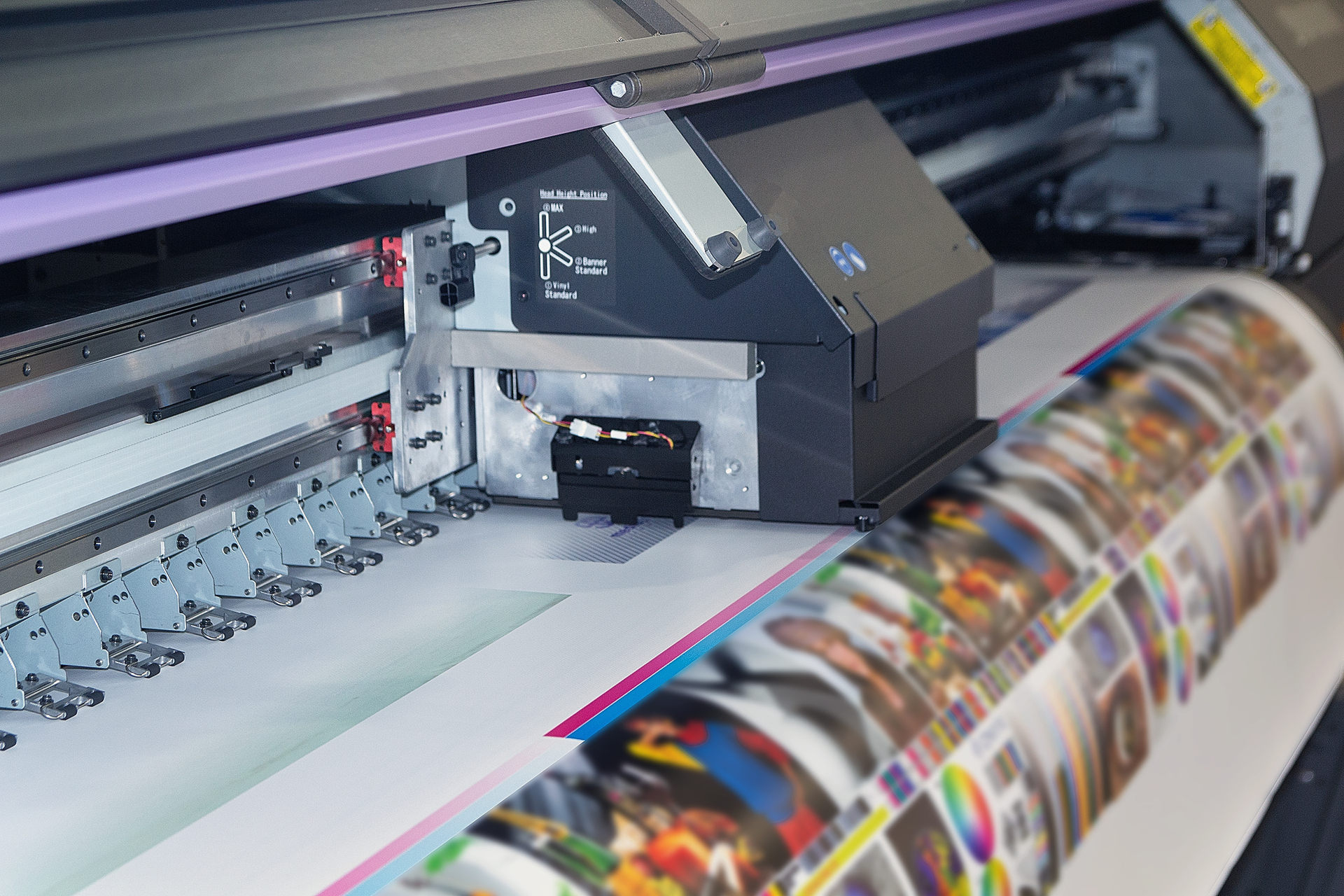
Digital printing takes a design file straight from the computer to the printer. The process works just like printing from a home printer, but on a much bigger scale. The machine receives the file and starts printing right away.
This method skips the plate-making step completely. The printer doesn’t need hours of setup time. It simply reads the digital file and begins printing. This quick process makes digital printing perfect for projects that need to be finished fast.
How Offset Printing Works?
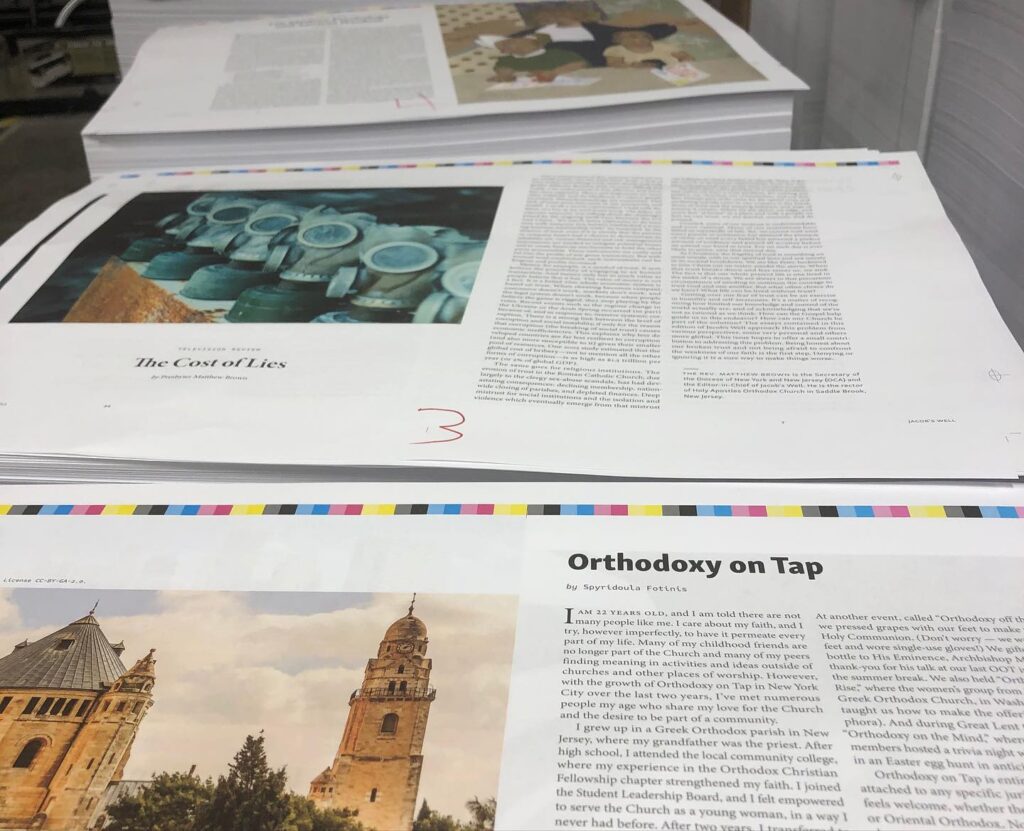
Offset printing uses a multi-step process. First, the design is transferred onto metal plates. These plates then move the image onto rubber blankets. Finally, the rubber blankets press everything onto paper.
People have used this method since 1875. Even after all these years, it still creates beautiful prints. Setting up the press takes more time because the metal plates need careful preparation. Once the setup finishes, though, the press can print thousands of copies without stopping.
Quality and Appearance of Digital and Offset Printing
Both printing methods create high-quality results. They just excel at different things. Digital printing makes personalized items easy to produce. Each flyer can have a different name, address, or message without causing delays.
Offset printing produces colors that look more vibrant. The ink especially soaks into the paper. This creates a premium appearance that stands out. High-end magazines, photography books, and fancy marketing materials often choose offset for this exact reason.
Color matching also works differently. Offset printing uses Pantone color systems. This means brand colors stay the same on every single print. Digital printers mix their colors during the printing process, which sometimes causes tiny color differences between batches.
Speed and Turnaround Time of Digital and Offset Printing
Digital printing finishes jobs much faster. Most digital projects are completed within 24 to 48 hours. Since no setup work is required, the printer starts immediately. Need something printed by tomorrow? Digital can usually handle it.
Offset printing needs more time to complete. Making the metal plates takes several days. The press setup also requires careful attention. Most offset jobs take at least five to seven days from start to finish. Projects with special coatings or complex designs might need even more time.
Best Applications for Each Method
Different projects work better with different printing methods. Choosing the right one saves both time and money.
Digital printing works best for:
- Small quantities under 500 copies
- Projects with tight deadlines
- Personalized direct mail campaigns
- Prototype or sample prints
Offset printing makes sense for:
- Large quantities of over 1,000 copies
- Projects requiring exact color matching
- Premium magazines and coffee table books
- Materials needing special coatings or finishes
Paper and Material Flexibility
Both methods handle different types of paper. Offset printing works with a wider variety of materials, though. It prints well on textured papers, thick cardstock, and even specialty surfaces like metallic or embossed papers.
Digital printers can struggle with extremely thick or textured papers. The toner doesn’t always stick properly to rough surfaces. Smooth papers and coated stocks produce the best results with digital printing.
Making the Right Choice
Three important factors guide the decision: quantity, timeline, and budget. Small orders with quick deadlines work better with digital printing. Large orders with flexible timelines suit offset printing better.
Both digital and offset printing technologies continue to improve each year. Understanding how they differ helps anyone make smarter printing choices. Whether printing 50 postcards or 5,000 catalogs, knowing these key differences leads to better results and happier customers.
How Spencer Printing Can Help?
Spencer Printing offers both digital and offset printing services to meet every project’s needs. The team helps clients choose the right printing method based on their specific requirements, timeline, and budget.
Whether the project needs quick turnaround digital printing for 100 business cards or high-volume offset printing for 10,000 brochures, Spencer Printing delivers quality results.
The experienced staff guides customers through paper selection, color matching, and finishing options. They handle everything from simple black-and-white documents to complex full-color marketing materials with special coatings.